
Tyler Erath, PhD
Assistant Professor
Department of Psychiatry, Vermont Center on Behavior and Health
University of Vermont
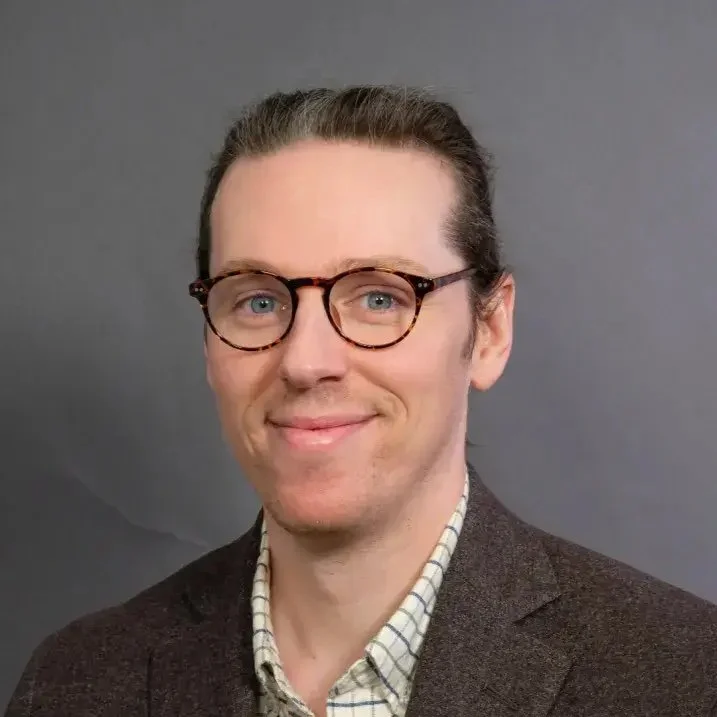
Dr. Erath is an Assistant Professor in the Department of Psychiatry and the Vermont Center on Behavior and Health. He received his PhD in Behavioral Psychology from the University of Kansas in 2021. Broadly, Dr. Erath’s research is focused on behavioral health, substance use disorders, and implementation science. A central goal of his research is to integrate evidence-based treatments into real-world, community-based settings. Dr. Erath’s current research includes collaborative implementation projects with local syringe services programs to study substance use and how to expand access to contingency management and other evidence-based treatments for service recipients. Additionally, as a principal investigator on the statewide contingency management implementation project in Vermont, he provides training, coaching, and technical assistance to approximately 20 substance use providers with 30 locations across the state. Dr. Erath also conducts tobacco-related research, including both experimental and epidemiological studies. One focus is on understanding and addressing disparities in adolescent smoking. Another focus is on menthol cigarette smoking and using behavioral economics to explore the substitutability of alternative nicotine products.
Related Web Forums

Hear public health and community leaders, including Megan Black of Merced County Department of Public Health and Sol Rivas of Valley Onward, share how their partnership began, what they’ve learned, and how trust and a shared vision help collaboration last beyond funding cycles.

In this Web Forum, hear from Brooke Briggance, Director of Cypress Resilience Project, and learn how to identify moral distress and to make space for the complicated feelings surrounding wounds to our values.

Join the Leadership Academy for the Public’s Health to explore how systems-level approaches and adaptive leadership can improve support for youth in high-risk environments. Learn how policy, structural, and environmental factors influence behavioral health and how cross-sector collaboration advances primary prevention.
Watch Recording

Join the Leadership Academy for the Public's Health for a Web Forum on the CDC's Lead-Free Communities Toolkit. Learn how it supports community-based lead prevention, see a real-world example in action, and gain practical insights on program planning, implementation, and sustainability.
Watch Recording

In this conversation with Dr. Judy Monroe, who worked with Dr. William Foege at the CDC, we will explore the principles that guided his public health work and reflect on what they mean for public health today in an environment that is testing our ability to do our work.
Watch Recording

In this Web Forum, our partners at Cypress Resilience Project will explore how chronic stress affects helping professionals and share practical tools for preventing compassion fatigue, burnout, and vicarious trauma while supporting long-term wellbeing.
Watch Recording

Join the National Overdose Prevention Network for a conversation on building meaningful and sustainable connections with communities that are often overlooked or hard to reach. Speakers will share successful outreach approaches with rural, Black, faith-based, and Tribal communities, followed by a moderated discussion and audience Q&A.
Watch Recording

This final webinar in our AI in Public Health series explores how AI can support human thinking, learning, and ethical decision-making in public health. Participants will gain practical strategies for using AI effectively through a brief overview of key tools and a hands-on workshop.
Watch Recording

Learn from leaders in rural health about the strategies required to move from high-level goals to measurable results. Panelists will discuss their local implementation work, with an emphasis on how adaptive leadership and strategic partnerships have supported their efforts in rural settings.
Watch Recording

Join the Leadership Academy for the Public’s Health to hear from experts who’ve built lead-safe initiatives into lasting community programs—and walk away with strategies to make your work thrive long-term.
Watch Recording